Emerging AI Trends: The Future of Automation and Data Processing


As we move deeper into the digital age, emerging AI trends are shaping the future of automation and data processing. These trends are not just influencing technology enthusiasts but are also transforming industries and everyday life. Understanding these trends can help businesses and individuals leverage AI to its fullest potential.
AI and Machine Learning: The Backbone of Automation
Artificial Intelligence (AI) and Machine Learning (ML) are at the core of automation. These technologies enable machines to learn from data, improve over time, and make decisions without human intervention. The increasing sophistication of AI algorithms allows for more complex tasks to be automated, from customer service to manufacturing processes.
The adoption of AI in automation is driving efficiency and reducing costs. Businesses are now able to focus on strategic growth while AI handles repetitive tasks. This shift is particularly evident in sectors like finance, healthcare, and logistics, where automation has led to significant improvements in service delivery and operational efficiency.
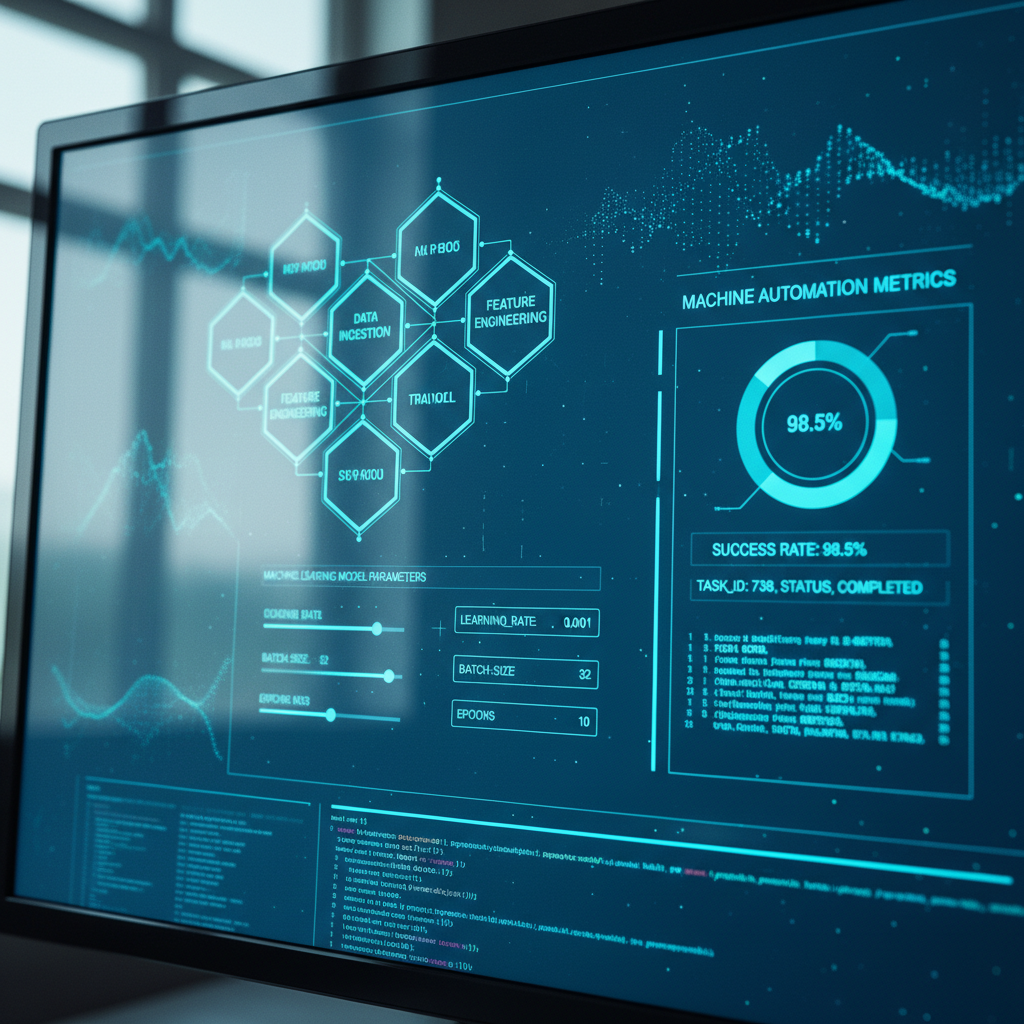
Data Processing: The Fuel for AI
Data is the lifeblood of AI. The ability to process vast amounts of data quickly and accurately is essential for AI systems to function effectively. Advances in data processing technology are enabling organizations to harness the power of big data, leading to more insightful analytics and informed decision-making.
With the advent of cloud computing and edge computing, data processing is becoming more accessible and efficient. These technologies allow for real-time processing and analysis, which is crucial for applications like autonomous vehicles and real-time fraud detection.
Emerging Trends in AI
Several trends are emerging that are set to redefine the future of AI. One such trend is the integration of AI with the Internet of Things (IoT). This combination allows for smarter, connected devices that can communicate and make decisions autonomously.
Another trend is the rise of AI ethics and responsible AI. As AI systems become more prevalent, there is an increasing focus on ensuring they are developed and used ethically. This includes addressing biases in AI algorithms and ensuring transparency and accountability in AI decision-making.

AI in Everyday Life
AI is not just limited to business applications; it's also becoming a part of our daily lives. From virtual assistants like Siri and Alexa to personalized recommendations on streaming services, AI is enhancing convenience and personalization for consumers.
Moreover, AI is playing a crucial role in areas such as healthcare, where it assists in diagnostics and personalized treatment plans, and in education, where it offers personalized learning experiences tailored to individual student needs.
The Future of AI: Opportunities and Challenges
The future of AI presents numerous opportunities, but it also comes with challenges. As AI systems become more integrated into society, issues such as data privacy, security, and the impact on employment must be addressed.
Despite these challenges, the potential benefits of AI are immense. By continuing to innovate and address these issues, we can harness the power of AI to improve lives and drive economic growth.